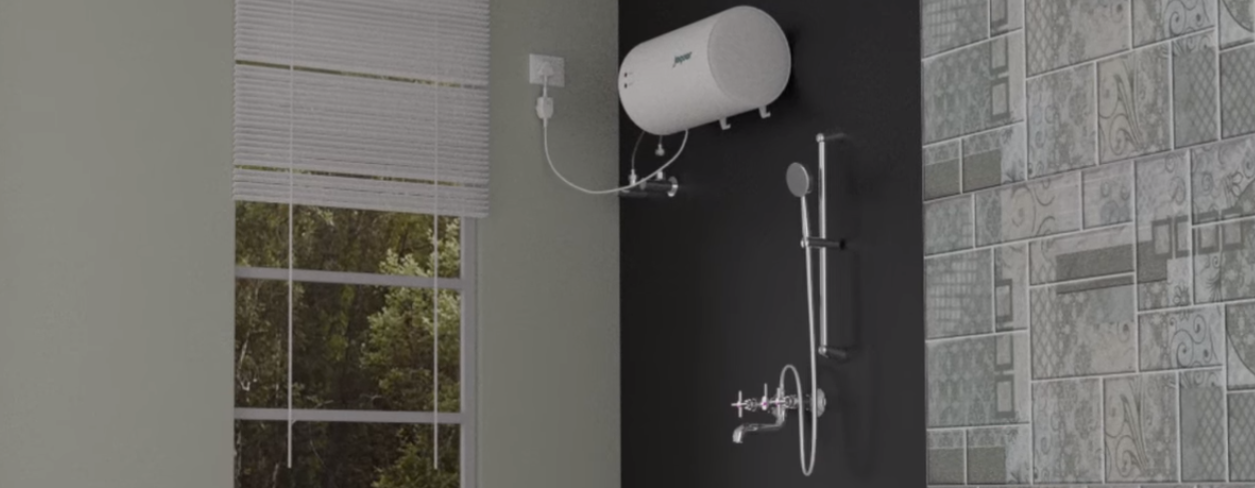
The majority of the time, a homeowner does not give their water heater much thought unless there is some type of problem. However, performing regular maintenance is the best way to make sure your water heater runs as efficiently as possible. Summer is a great time to look over, clean, and maintain your water heater so that you are ready for the cooler days ahead. Performing this service during the warmest part of the year will allow you to see better performance from your water heater, save money on energy costs and decrease the likelihood of having to do an emergency repair once the need for hot water is greater.
Why Summer Is the Perfect Time for Maintenance
While most people tend to wait until fall or winter to give their water heater a second thought, this is typically the time of year when plumbing companies have an increase in service calls and emergency repairs due to heating issues.
Some of the benefits to scheduling a summer maintenance visit include:
Preparation for winter.
No waiting for seasonal services.
Increased energy efficiency.
Identify potential costly repairs now instead of down the road.
Increase the longevity of your equipment.
Because the need for hot water tends to be less during the summer, it is easier to schedule service without disrupting your normal routine.
Sediment Build-Up Affects Water Heater Efficiency
The two biggest contributors to sediments forming in the tank of a water heater are calcium and magnesium. Over time, these minerals form layers at the bottom of the tank. As these layers grow, they cause additional strain on the heating element or gas burner causing them to work longer and use more energy.
There are several indicators that sediment has formed in your water heater including:
Rumbling or popping sounds coming from the unit.
Longer than usual heating times.
Reduced hot water flow rate.
Increased energy bill.
Unstable hot water temperature.
When you hire a reputable plumber to perform a summer maintenance visit, he/she can drain your tank to remove all of the built up sediment allowing your water heater to run more efficiently.
Inspection Identifies Problems Before They Become Major Issues
Another benefit to hiring a plumber for regular maintenance visits is that he/she can identify any potential problems before they turn into costly repairs. In fact, a skilled plumber may inspect many different parts of your water heater during a maintenance visit including:
Your water supply lines.
Your drain line.
Your temperature/pressure relief valve.
Heating elements or gas burners.
Your venting system (if you have a gas model).
Your anode rod.
For signs of rust or leaks.
If problems are found earlier, it usually means repairing those issues will be less expensive than repairing them after they’ve had a chance to become bigger problems.
Maintaining an Efficient Water Heater Saves Money and Reduces Wear and Tear
As long as your water heater operates efficiently, it will require less energy to heat the same amount of water. By maintaining your water heater regularly, you can expect to:
Conserve energy.
Improve how well your water heater heats water.
Decrease your monthly energy bills.
Reduce wear on internal components.
It doesn’t matter what kind of water heater you have — young or old — by taking care of it, you’ll notice improvements in efficiency over time.
Find Hidden Leaks
Leaks may go unnoticed, particularly when developing around fittings or valves. During an inspection, a licensed plumber will search for:
Leakage under the tank.
Loose plumbing connections.
Corrosion next to fittings.
Drips from valves.
Damage caused by leaking water.
By identifying a small leak early on, you can avoid further damage from leaking water; mold growth; and premature failure of your equipment.
Verify Functionality of Safety Devices
Each water heater comes equipped with safety features designed to safeguard both your family and property. One of the most critical safety device is the Temperature & Pressure Relief Valve (also known as TPVR). This device protects against excessive internal pressures which could lead to catastrophic consequences.
Additionally, while visiting, plumbers will verify the proper functioning of other vital safety components such as:
Connections for natural gas.
Vent pipes.
Thermal controls (electric models).
Wiring (electronic models).
Ensuring each component functions correctly provides assurance that your water heater will operate safely throughout the remainder of the year.
Maximize Your Equipment’s Lifespan
Replacing a water heater is a substantial investment. Maintaining your current unit through timely service will prolong its lifespan.
You can enjoy numerous benefits with regular maintenance, such as:
Less internal corrosion.
Better heating efficiency.
Fewer unplanned repairs.
Reliable hot-water supply.
Extended lifetime of your equipment.
Traditional tank-style water heaters generally last anywhere from eight to twelve years. With regular service, however, many systems continue to function well beyond this timeframe.
Recognize Whether Repair Makes More Sense Than Replacing
In addition to extending the lifespan of your equipment, maintenance enables determining when repairs may no longer be economical and/or whether replacement is a wiser decision. Some signals that indicate your water heater may be approaching the end of its useful life include:
Frequent repairs needed.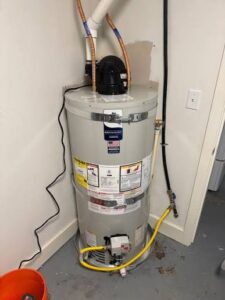
Reddish-brown coloration seen in hot-water discharge.
Evidence of visible corrosion on the exterior of your tank.
Standing water around your appliance.
Variable hot-water flow rates.
Escalated energy expenses.
A licensed plumber can assess your equipment and advise on the most cost-effective option depending on its present state and age.…