Maintenance TipsPlumbing ServicesWater HeaterWater Heater InstallationWater Heater Repair

When you select your next water heater, you’re making one of the smartest investments for your home’s comfort and efficiency. Your water heater supplies hot water for showers, laundry, dishwashing, and countless daily tasks, making it one of the hardest-working appliances in your home.

With so many options available, choosing the right model can feel overwhelming. Fortunately, understanding your household’s needs and working with a reliable plumber makes the process much easier.

Determine Your Household’s Daily Hot Water Usage

Start by evaluating how your family uses hot water each day.

Ask yourself a few simple questions:

  • How many people live in your home?
  • How many bathrooms do you have?
  • Do multiple showers run at the same time?
  • How often do you use the dishwasher and washing machine?

A water heater that’s too small may leave your family without enough hot water. On the other hand, an oversized unit can increase energy costs without providing much benefit.

A reliable plumber can evaluate your home’s water usage and recommend the right size for your needs.

Choose Between a Traditional Tank and a Tankless Water Heater

One of the biggest decisions you’ll make is selecting between a traditional storage tank and a tankless water heater.

Traditional Storage Tank Water Heaters

Traditional storage tank water heaters keep a supply of heated water ready for use. They remain one of the most popular options because they offer dependable performance and affordable pricing.

Benefits include:

  • Lower upfront cost
  • Straightforward installation
  • Reliable hot water for everyday use
  • Easily available replacement parts

The main drawback is that once the stored hot water runs out, you’ll need to wait while the tank reheats another supply.

Tankless Water Heaters

Tankless systems heat water only when you need it. Instead of storing hot water, they produce it on demand.

Advantages include:

  • Continuous hot water during normal household use
  • Better energy efficiency
  • Compact, space-saving design
  • Longer expected lifespan

Although the installation cost is usually higher, many homeowners enjoy lower energy bills and the convenience of endless hot water.

Consider Energy Efficiency

Energy efficiency should always be part of your decision.

Today’s water heater models use less energy while delivering consistent performance. Choosing an efficient unit can help lower monthly utility bills and reduce long-term operating costs.

Compare models by looking at:

  • Energy efficiency rating
  • Estimated annual operating cost
  • Recovery rate
  • Tank insulation
  • Warranty coverage

An experienced reliable plumber can explain which model offers the best value for your home and budget.

Choose the Right Size

Selecting the proper size is just as important as choosing the right style.

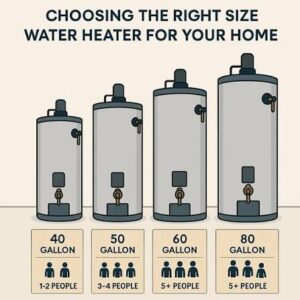
Traditional storage tank models typically range from 30 to 80 gallons. Smaller households usually need less capacity, while larger families often benefit from a bigger tank.

Tankless systems use flow rate instead of tank size. Your plumber will calculate how much hot water your home needs when multiple fixtures operate at the same time.

Proper sizing helps ensure you always have enough hot water without paying for unnecessary capacity.
Professional Installation Makes a Difference

Even the best water heater won’t perform properly without expert installation.

Professional installation helps ensure:

  • Plumbing connections are secure.
  • Gas or electrical connections meet safety standards.
  • Ventilation is installed correctly.
  • Local building codes are followed.
  • Manufacturer warranties remain valid.

Poor installation can lead to leaks, reduced efficiency, safety concerns, and costly repairs. Hiring a reliable plumber helps protect your investment from the very beginning.

Keep Up With Routine Maintenance

Every water heater performs better with regular maintenance.

Annual service helps improve efficiency, extend the system’s lifespan, and catch small issues before they become expensive repairs.

Routine maintenance typically includes:

  • Flushing sediment from the tank
  • Inspecting valves and water connections
  • Checking for corrosion
  • Testing safety components
  • Looking for hidden leaks

Preventive maintenance keeps your system running efficiently throughout the year.

Know When It’s Time to Replace Your Water Heater

Most traditional water heaters last between 8 and 12 years. If your unit is more than 10 years old, replacement may be more cost-effective than frequent repairs.

Watch for these warning signs:

  • Water leaking around the base of the unit
  • Rust-colored hot water
  • Rumbling or popping noises
  • Inconsistent water temperature
  • Frequent repair calls
  • Increasing utility bills

Replacing an aging unit before it fails can help prevent water damage and restore reliable hot water throughout your home.

Trust AC Plumbing Construction

Choosing the right water heater doesn’t have to be stressful. Whether you’re replacing an old unit or planning a new installation, working with an experienced plumbing professional ensures you receive the right system for your home’s needs.

At AC Plumbing Construction, we provide expert recommendations, professional water heater installation, maintenance, repairs, and replacements throughout San Diego. Our team will help you select the right solution for your household while ensuring every installation meets the highest quality standards.

Learn more about our water heater services by visiting https://acplumbingconstructioninc.com/ and discover why homeowners trust AC Plumbing Construction for dependable plumbing solutions.

With the right water heater and guidance from a reliable plumber, you’ll enjoy greater comfort, improved…
Plumbing ServicesWater Heater

Introduction

Many homeowners look for ways to reduce monthly utility bills. One area that often gets overlooked is hot water usage. Your hot water heater uses energy every day to provide hot water for showers, laundry, dishwashing, and cleaning.

Fortunately, there are several ways to reduce hot water energy costs. Simple steps such as adjusting your water heater settings, scheduling maintenance, fixing leaks, and installing water-saving fixtures can make a noticeable difference. In some cases, upgrading an older unit may provide even greater savings.

Why Your Hot Water Heater Affects Energy Costs

Many people do not realize how much energy it takes to heat water. Your hot water heater works throughout the day to keep hot water available when you need it.

Older units often become less efficient over time. Sediment buildup, aging components, and outdated technology can all increase energy consumption. As efficiency decreases, utility bills often rise.

The good news is that regular maintenance and a few simple upgrades can help save energy and improve performance.

Lower Your Water Heater Temperature

One of the easiest ways to reduce hot water energy costs is by adjusting the temperature setting on your hot water heater.

Many systems are set higher than necessary. Lowering the thermostat to approximately 120 degrees Fahrenheit can help save energy while still providing comfortable hot water.

This adjustment offers several benefits:

  • Lower energy usage
  • Reduced operating costs
  • Less wear on the water heater
  • Lower risk of accidental burns

Before making changes, review your manufacturer’s recommendations or consult a professional plumber.

Schedule Annual Water Heater Maintenance

Routine maintenance is one of the best ways to keep a hot water heater running efficiently.

Over time, minerals and sediment collect inside the tank. This buildup forces the system to work harder to heat water. As a result, energy consumption increases.

Professional maintenance may include:

  • Flushing the tank
  • Inspecting heating elements
  • Testing safety devices
  • Evaluating system performance
  • Identifying potential repairs

Regular service can improve efficiency and extend the life of your equipment. It can also help prevent unexpected breakdowns.

For more information, visit the U.S. Department of Energy’s guide on water heating.

Fix Plumbing Leaks Quickly

Even small leaks can increase both water and energy costs.

A dripping hot water faucet may seem minor, but it causes your hot water heater to work more often than necessary. Hidden leaks can also waste water and increase utility bills.

Watch for signs such as:

  • Dripping faucets
  • Moisture around plumbing fixtures
  • Unexplained increases in water usage
  • Water stains on walls or ceilings

Prompt repairs can help save energy and prevent more costly plumbing issues.

Learn more about leak detection and repair by visiting our Leak Repair Services page.

Install Water-Saving Fixtures

Water-saving fixtures can significantly reduce hot water consumption.

Modern fixtures use less water while maintaining strong performance. Popular options include:

  • Low-flow showerheads
  • Water-efficient faucets
  • High-efficiency bathroom fixtures

Because less hot water is used, your hot water heater does not have to work as hard. This helps reduce hot water energy costs over time.

If you’re considering upgrades, visit our Water Heater Services page to learn more about improving system efficiency.

Change Daily Hot Water Habits

Small changes in daily habits can also reduce energy consumption.

Consider these simple ways to save energy:

  • Take shorter showers
  • Wash clothes with cold water when possible
  • Run full dishwasher loads
  • Run full laundry loads
  • Turn off the faucet while brushing your teeth
  • Turn off the faucet while shaving

While each adjustment may seem small, the savings can add up throughout the year.

Combining efficient habits with regular plumbing maintenance often delivers the best results.

Consider Upgrading an Older Water Heater

If your hot water heater is more than 10 years old, it may be time to consider a replacement.

Newer models are designed to operate more efficiently. Many homeowners notice lower utility bills after upgrading to a modern system.

Options may include:

  • High-efficiency tank water heaters
  • Hybrid water heaters
  • Tankless water heaters

A professional plumber can help determine which system is best for your home and budget.

You can also learn about energy-efficient products through the ENERGY STAR website.

Professional Help Can Maximize Savings

Some energy-saving improvements are easy to handle on your own. Others require professional expertise.

At AC Plumbing Construction, we help homeowners evaluate their plumbing systems and identify opportunities to save energy. Our team provides water heater maintenance, leak repairs, fixture upgrades, and water heater replacement services throughout San Diego.

We focus on quality workmanship, reliable service, and practical solutions that help lower long-term operating costs.

Conclusion

Reducing hot water energy costs does not require major changes. Regular maintenance, prompt leak repairs, water-saving fixtures, and smart daily habits can all help lower utility bills.

At AC Plumbing Construction, we proudly help San Diego homeowners improve plumbing efficiency and save energy. Whether you need water heater maintenance, repairs, or a complete replacement, our team is ready to help you get the most from your plumbing system.

Calendar

September 2026
M T W T F S S
 123456
78910111213
14151617181920
21222324252627
282930  

Contact With Us

    Contact Form

    * Required