Introduction
Many homeowners look for ways to reduce monthly utility bills. One area that often gets overlooked is hot water usage. Your hot water heater uses energy every day to provide hot water for showers, laundry, dishwashing, and cleaning.
Fortunately, there are several ways to reduce hot water energy costs. Simple steps such as adjusting your water heater settings, scheduling maintenance, fixing leaks, and installing water-saving fixtures can make a noticeable difference. In some cases, upgrading an older unit may provide even greater savings.
Why Your Hot Water Heater Affects Energy Costs
Many people do not realize how much energy it takes to heat water. Your hot water heater works throughout the day to keep hot water available when you need it.
Older units often become less efficient over time. Sediment buildup, aging components, and outdated technology can all increase energy consumption. As efficiency decreases, utility bills often rise.
The good news is that regular maintenance and a few simple upgrades can help save energy and improve performance.
Lower Your Water Heater Temperature
One of the easiest ways to reduce hot water energy costs is by adjusting the temperature setting on your hot water heater.
Many systems are set higher than necessary. Lowering the thermostat to approximately 120 degrees Fahrenheit can help save energy while still providing comfortable hot water.
This adjustment offers several benefits:
- Lower energy usage
- Reduced operating costs
- Less wear on the water heater
- Lower risk of accidental burns
Before making changes, review your manufacturer’s recommendations or consult a professional plumber.
Schedule Annual Water Heater Maintenance
Routine maintenance is one of the best ways to keep a hot water heater running efficiently.
Over time, minerals and sediment collect inside the tank. This buildup forces the system to work harder to heat water. As a result, energy consumption increases.
Professional maintenance may include:
- Flushing the tank
- Inspecting heating elements
- Testing safety devices
- Evaluating system performance
- Identifying potential repairs
Regular service can improve efficiency and extend the life of your equipment. It can also help prevent unexpected breakdowns.
For more information, visit the U.S. Department of Energy’s guide on water heating.
Fix Plumbing Leaks Quickly
Even small leaks can increase both water and energy costs.
A dripping hot water faucet may seem minor, but it causes your hot water heater to work more often than necessary. Hidden leaks can also waste water and increase utility bills.
Watch for signs such as:
- Dripping faucets
- Moisture around plumbing fixtures
- Unexplained increases in water usage
- Water stains on walls or ceilings
Prompt repairs can help save energy and prevent more costly plumbing issues.
Learn more about leak detection and repair by visiting our Leak Repair Services page.
Install Water-Saving Fixtures
Water-saving fixtures can significantly reduce hot water consumption.
Modern fixtures use less water while maintaining strong performance. Popular options include:
- Low-flow showerheads
- Water-efficient faucets
- High-efficiency bathroom fixtures
Because less hot water is used, your hot water heater does not have to work as hard. This helps reduce hot water energy costs over time.
If you’re considering upgrades, visit our Water Heater Services page to learn more about improving system efficiency.
Change Daily Hot Water Habits
Small changes in daily habits can also reduce energy consumption.
Consider these simple ways to save energy:
- Take shorter showers
- Wash clothes with cold water when possible
- Run full dishwasher loads
- Run full laundry loads
- Turn off the faucet while brushing your teeth
- Turn off the faucet while shaving
While each adjustment may seem small, the savings can add up throughout the year.
Combining efficient habits with regular plumbing maintenance often delivers the best results.
Consider Upgrading an Older Water Heater
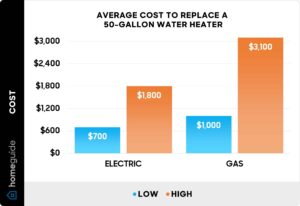
If your hot water heater is more than 10 years old, it may be time to consider a replacement.
Newer models are designed to operate more efficiently. Many homeowners notice lower utility bills after upgrading to a modern system.
Options may include:
- High-efficiency tank water heaters
- Hybrid water heaters
- Tankless water heaters
A professional plumber can help determine which system is best for your home and budget.
You can also learn about energy-efficient products through the ENERGY STAR website.
Professional Help Can Maximize Savings
Some energy-saving improvements are easy to handle on your own. Others require professional expertise.
At AC Plumbing Construction, we help homeowners evaluate their plumbing systems and identify opportunities to save energy. Our team provides water heater maintenance, leak repairs, fixture upgrades, and water heater replacement services throughout San Diego.
We focus on quality workmanship, reliable service, and practical solutions that help lower long-term operating costs.
Conclusion
Reducing hot water energy costs does not require major changes. Regular maintenance, prompt leak repairs, water-saving fixtures, and smart daily habits can all help lower utility bills.
At AC Plumbing Construction, we proudly help San Diego homeowners improve plumbing efficiency and save energy. Whether you need water heater maintenance, repairs, or a complete replacement, our team is ready to help you get the most from your plumbing system.